How to Choose a Blazer You Will Wear Often
Test layers and movement before deciding a jacket is essential.
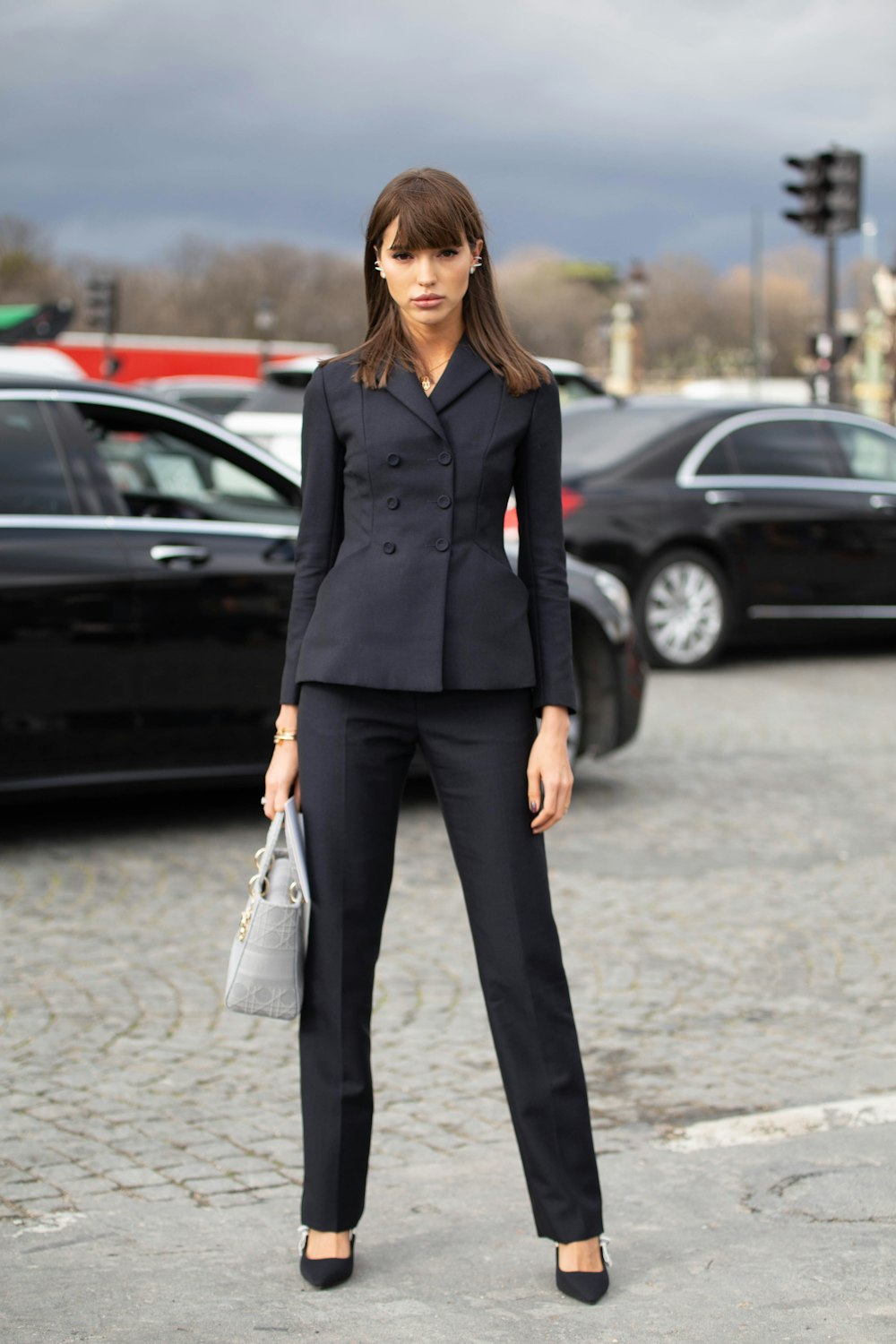
Editorial stock photograph · Source and photographer. Styling illustration; no product endorsement implied.
A blazer can finish a work outfit or make jeans feel more considered, but its shape must fit your routine. Decide whether you need an indoor layer, structured meeting jacket or relaxed weekend piece. These roles overlap while asking different things of the garment. Choose the primary job first. Otherwise an appealing but impractical jacket can become an expensive ornament that looks promising each morning and never leaves the hanger.
A formula worth trying
Start with shoulders and upper back. Reach forward as though steering or typing. The jacket should allow normal movement without pulling. A deliberately dropped shoulder differs from a traditional seam, so assess the intended design rather than applying one rule to every cut. Try it over the thickness of top you actually wear, especially if you expect the blazer to cover knitwear during cooler months.
Check the practical details
Check the front open and fastened. An open blazer offers a relaxed line; fastening may feel more formal. If it hangs well only one way, decide whether that suits its intended role. Examine sleeve and body length with usual trousers. Minor alterations can help, but reshaping shoulders is a larger undertaking than adjusting some sleeve hems. Ask an experienced alteration service before assuming every fit issue is simple to fix.
What to consider before buying
Compare construction to your needs. Structure can create a crisp outline while softer tailoring may feel easier. A lining affects movement over another garment but does not by itself prove quality. Inspect seams, buttons and pockets. Read care requirements and consider whether frequent professional cleaning fits your budget and habits. Make that expense part of the decision, particularly for a jacket intended for regular rather than occasional wear.
Make it work for your week
Style it with three existing combinations before removing tags: jeans and a plain top, work trousers and a blouse, then a skirt or dress. If it suits just one outfit, it may still serve a specific need. Name that need honestly. Neutral color does not automatically mean versatility when the shape feels wrong. Comfortable repeat use matters more than the promise attached to an essential wardrobe label.
One final practical check
Try the jacket with your bag carried on the usual shoulder and notice whether the strap stays put. If you work at a desk, sit as you normally would rather than holding a formal pose. These small movements can reveal pressure at the back or upper arm that a mirror check misses.
The at-home check
Before deciding, put the complete outfit together at home. Include your outside layer, usual bag and shoes needed for the journey. Check front, side and back, then sit and walk. Notice what requires repeated adjustment. A small change in length, fastening or fabric can solve more than another accessory. The practical goal behind how to choose a blazer you will wear often is a useful result for your own life, so assess the situations described rather than one idealized image. Give the combination a realistic trial while preserving any return conditions.
A considered shopping checklist
When shopping is part of the solution, write down the gap before opening a retailer page. Compare suitable options for fit, care and return terms. Set a comfortable limit including delivery and alterations. A sale deadline is not a substitute for a clear reason to buy. Keep tags and packaging while trying the item with existing clothes, following the retailer policy. Read material descriptions without assuming they guarantee comfort. A purchase earns its place when it supports combinations you can repeat, fits the maintenance you can manage and leaves your other priorities intact.
Frequently asked questions
Should a blazer be oversized?
Only if you enjoy that shape and it works with your layers. You should still be able to manage sleeves, pockets and a bag comfortably.
Do I need to buy something new?
Try the idea with what you own first. Identify the exact point that fails, such as an uncomfortable fit or unsuitable layer. An alteration, repair or different pairing may be enough. Give existing pieces a fair chance before turning an outfit question into a shopping list.
Keep reading
Explore Linen Outfit Ideas for Warm, Busy Days and A Realistic Knitwear Care Routine for another practical perspective. Adapt the suggestions to your wardrobe, climate and calendar.
Check your wardrobe first, note the gap you want to fill, then compare fabric, fit, care instructions and the retailer’s current return terms.
Explore our retailer directory →