Choosing an Everyday Handbag by What You Carry
Let daily essentials determine size, straps and organization.
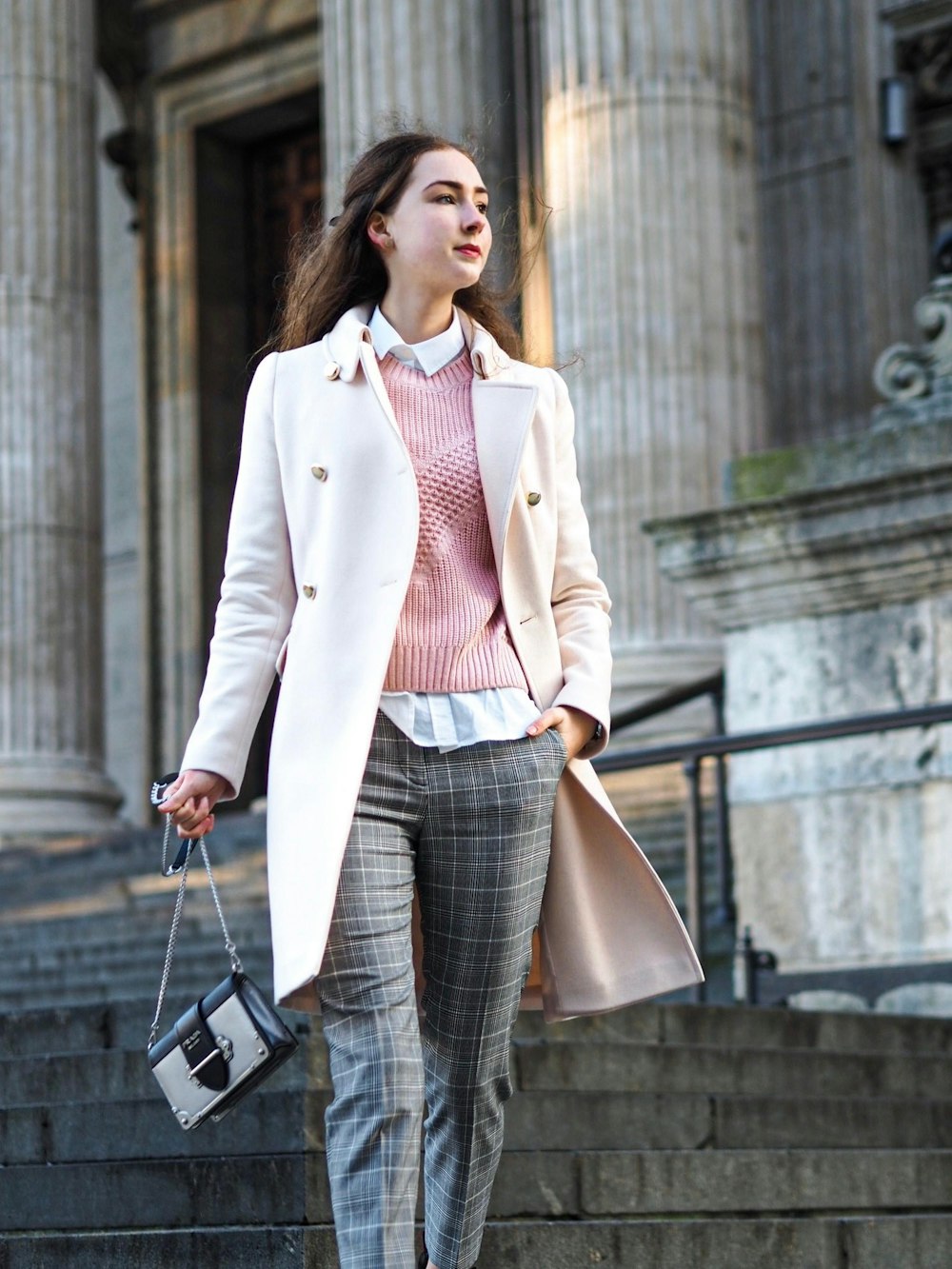
Editorial stock photograph · Source and photographer. Styling illustration; no product endorsement implied.
The right everyday bag starts with its contents. Empty your current one and separate essentials from things accumulated by habit. A phone, wallet, keys and glasses need a different capacity from a laptop, water bottle and lunch. Do this before browsing. It helps avoid a bag that looks lovely but cannot hold the ordinary items you need. Consider the busiest usual day instead of an unusually light outing.
A formula worth trying
Test the opening and closure. A zip offers containment; an open tote gives quick access. A flap may look neat but need two hands. Try those actions while wearing the bag as intended. Think about your route and how often you reach for a transport card. Convenience and security preferences vary, so select a fastening that supports your habits rather than accepting a universal recommendation about the best design.
Check the practical details
Strap fit matters alongside capacity. A shoulder strap should fit over your usual coat; a crossbody should adjust without interfering with walking. If there is a top handle, consider whether you would actually carry it that way. Add comparable weight during a permitted store trial. An empty bag can hide how its shape pulls or how the strap feels once your everyday belongings are inside.
What to consider before buying
More compartments are not always better. A key pocket can save time, but fixed divisions can prevent a larger item fitting. A removable pouch provides flexibility and transfers between bags. Check stitching, lining and fastenings, then read material and care details. Consider empty weight: a substantial bag becomes heavier when filled. Choose a manageable load rather than treating every available pocket as a space that must contain something.
Make it work for your week
For styling, repeat a tone from your coat, shoes or wardrobe. Exact matching is optional. A soft neutral can connect outfits, while a bright bag becomes the focal point of simple clothes. Decide whether this is an adaptable daily bag or a specific occasion purchase. Buying several variations of the same role may feel like variety while leaving the actual wardrobe need unsolved. Keep the purpose clear before committing.
One final practical check
Check whether the largest essential can pass easily through the opening, not just fit inside the measurements. A roomy bag with a narrow opening can be inconvenient. Try reaching the bottom without setting everything down, then compare that experience with a slightly smaller bag that has simpler access.
The at-home check
Before deciding, put the complete outfit together at home. Include your outside layer, usual bag and shoes needed for the journey. Check front, side and back, then sit and walk. Notice what requires repeated adjustment. A small change in length, fastening or fabric can solve more than another accessory. The practical goal behind choosing an everyday handbag by what you carry is a useful result for your own life, so assess the situations described rather than one idealized image. Give the combination a realistic trial while preserving any return conditions.
A considered shopping checklist
When shopping is part of the solution, write down the gap before opening a retailer page. Compare suitable options for fit, care and return terms. Set a comfortable limit including delivery and alterations. A sale deadline is not a substitute for a clear reason to buy. Keep tags and packaging while trying the item with existing clothes, following the retailer policy. Read material descriptions without assuming they guarantee comfort. A purchase earns its place when it supports combinations you can repeat, fits the maintenance you can manage and leaves your other priorities intact.
Frequently asked questions
Must a bag match my shoes?
No. A shared color family, texture or level of formality often gives enough connection without an exact match.
Do I need to buy something new?
Try the idea with what you own first. Identify the exact point that fails, such as an uncomfortable fit or unsuitable layer. An alteration, repair or different pairing may be enough. Give existing pieces a fair chance before turning an outfit question into a shopping list.
Keep reading
Explore Simple Scarf Ideas for Everyday Clothes and Easy Color Combinations Beyond All Black for another practical perspective. Adapt the suggestions to your wardrobe, climate and calendar.
Check your wardrobe first, note the gap you want to fill, then compare fabric, fit, care instructions and the retailer’s current return terms.
Explore our retailer directory →